
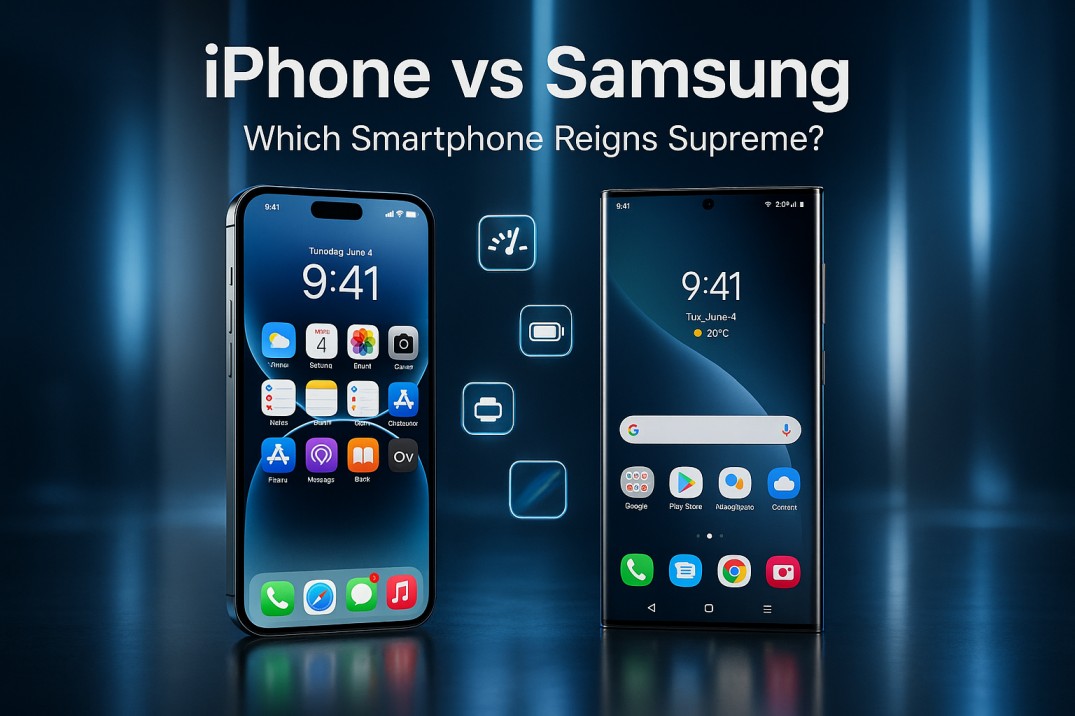
iPhone vs Samsung: Which Smartphone Reigns Supreme?
Choosing between an iPhone vs Samsung device has become one of the most debated topics in the smartphone world. With both brands offering cutting-edge technology and premium features, millions of consumers face this decision annually. Whether you’re upgrading from an older device or switching brands entirely, understanding the key differences between these tech giants can help you make an informed choice that aligns with your needs and budget.
The iPhone vs Samsung which is better debate isn’t just about specs on paper—it’s about finding the device that seamlessly integrates into your lifestyle. From camera quality and battery performance to software experience and long-term value, each brand brings distinct advantages to the table. This comprehensive comparison will examine every crucial aspect to help you determine which smartphone truly deserves a place in your pocket.
Design and Build Quality
Apple’s design philosophy centers around minimalism and premium materials. iPhones consistently feature aerospace-grade aluminum frames with glass backs, creating devices that feel substantial yet elegant. The iPhone vs Samsung design comparison reveals Apple’s commitment to uniform aesthetics across their lineup, with subtle annual refinements rather than dramatic overhauls.
Samsung takes a more experimental approach, often introducing bold design elements and innovative form factors. Their flagship Galaxy S series showcases curved glass displays, metal frames, and eye-catching color options. Samsung’s willingness to push boundaries has resulted in foldable smartphones and unique camera bump designs that set them apart from competitors.
Both manufacturers excel in build quality, though they target different preferences. iPhones appeal to users who appreciate timeless, understated elegance, while Samsung devices attract those seeking distinctive, cutting-edge aesthetics.
Display Technology
The iPhone vs Samsung screen battle showcases two different technological approaches. Samsung leads in display innovation with their Super AMOLED technology, offering vibrant colors, deep blacks, and excellent contrast ratios. Their screens often feature higher pixel densities and support for 120Hz refresh rates across more price points.
Apple’s Retina displays prioritize color accuracy and natural reproduction. While they adopted OLED technology later than Samsung, Apple’s implementation focuses on precise calibration and consistent performance. Recent iPhones feature ProMotion technology with adaptive refresh rates up to 120Hz, though typically limited to Pro models.
Samsung generally offers larger screen options and more display customization settings, allowing users to adjust color profiles and resolution. Apple maintains stricter control over display settings, prioritizing consistency across all apps and usage scenarios.
Performance and Processing Power
The iPhone vs Samsung which is best for performance depends heavily on your usage patterns. Apple’s custom-designed chips consistently outperform Android competitors in single-core benchmarks and sustained performance. The integration between iOS and Apple Silicon creates exceptional optimization, resulting in smooth operation even with intensive tasks.
Samsung flagship devices utilize either Qualcomm Snapdragon or their own Exynos processors, depending on the region. While these chips deliver excellent performance, they sometimes fall short of Apple’s single-core prowess. However, Samsung often includes more RAM in their devices, which can benefit multitasking and keeping more apps active in the background.
For gaming and professional applications, both platforms excel, though iPhones typically maintain consistent frame rates longer during extended sessions. Samsung devices offer more flexibility for power users who want to customize performance settings and cooling behavior.
Camera Quality
The iPhone vs Samsung camera comparison reveals two distinct photography philosophies. Apple emphasizes computational photography and consistent results across different shooting conditions. iPhones typically produce images with natural colors and excellent dynamic range, making them popular among content creators who prefer minimal post-processing.
Samsung cameras often feature higher megapixel counts and more versatile zoom capabilities. Their computational photography tends toward more saturated, social-media-ready images straight from the camera. Samsung’s Ultra models frequently include periscope zoom lenses and advanced night mode capabilities that surpass iPhone offerings.
Video recording capabilities favor iPhones in many scenarios, with superior stabilization and color science. However, Samsung devices offer more manual controls and shooting modes, appealing to photography enthusiasts who want granular control over their images.
Software and User Experience
The software experience represents the most fundamental difference in the iPhone vs Samsung ecosystem comparison. iOS provides a curated, consistent experience with guaranteed updates for 5-7 years. Apple’s tight integration between hardware and software results in smooth performance and reliable functionality across all supported devices.
Samsung devices run Android with their One UI overlay, offering extensive customization options and flexibility. Users can modify everything from icons and widgets to system-level behaviors and default applications. However, Samsung’s software support typically lasts 4-5 years, shorter than Apple’s commitment.
App availability and optimization slightly favor iOS, particularly for creative and professional applications. Android’s open nature provides more choice in default apps and system modifications, appealing to users who want complete control over their device experience.
Battery Life and Charging
iPhone vs Samsung battery life comparisons must consider both capacity and optimization. Samsung devices typically feature larger battery capacities, often exceeding 4,000mAh in flagship models. They also support faster wired charging speeds, sometimes reaching 45W or higher.
iPhones achieve competitive battery life despite smaller capacities through superior optimization between hardware and software. Apple’s power management ensures consistent performance throughout the day, though charging speeds remain more conservative compared to Samsung’s offerings.
Both brands support wireless charging and reverse wireless charging on premium models. Samsung provides more flexibility with charging accessories and standards, while Apple maintains stricter control over MagSafe compatibility and charging protocols.
Price and Value
The iPhone vs Samsung which is better value proposition depends on your priorities and budget. iPhones maintain stronger resale values, making them more economical for users who upgrade frequently. Apple’s longer software support also extends device lifespan, improving long-term value.
Samsung offers more diverse pricing options, from budget-friendly A-series devices to premium Ultra models. Their flagship devices often launch at competitive prices compared to equivalent iPhones, though promotional pricing and trade-in deals can significantly impact actual costs.
Consider total cost of ownership, including accessories, insurance, and potential resale value when making your decision. Both brands offer compelling value propositions at different price points and usage scenarios.
Pros and Cons
iPhone Pros:
- Seamless ecosystem integration with other Apple devices
- Longer software support and security updates (5-7 years)
- Strong resale value and brand prestige
- Consistent, optimized performance across all models
- Superior video recording capabilities
iPhone Cons:
- Limited customization options compared to Android
- Higher entry price for flagship features
- Restricted file management and app installation options
- Slower adoption of new hardware features
- Less flexibility with accessories and charging standards
Samsung Pros:
- Highly customizable Android experience
- Cutting-edge display technology and design innovation
- More diverse pricing options across different budgets
- Advanced camera features and manual controls
- Faster charging speeds and larger battery capacities
Samsung Cons:
- Shorter software support lifespan (4-5 years)
- Potential software bloatware and performance inconsistencies
- Lower resale values compared to iPhones
- More complex user interface for some users
- Fragmented update rollout across different regions
For more information about iPhone vs Samsung, visit our site Tech Nova and explore expert insights and solutions.
Making Your Final Decision
The iPhone vs Samsung who will win debate ultimately comes down to personal priorities and usage patterns. iPhone users benefit from seamless ecosystem integration, longer software support, and consistent performance optimization. These devices excel for users who value simplicity, reliability, and strong resale values.
Samsung devices appeal to users seeking customization, cutting-edge features, and diverse pricing options. Their innovative displays, versatile cameras, and Android flexibility make them ideal for tech enthusiasts and users who want complete control over their device experience.
Consider your current ecosystem, budget constraints, and feature priorities when making this decision. Both brands offer excellent smartphones that will serve most users well for years to come. The iPhone vs Samsung s24 ultra and future iPhone vs Samsung s25 ultra comparisons will continue evolving, but the fundamental differences in philosophy and approach will likely remain consistent.
Choose the platform that aligns with your digital lifestyle and provides the features most important to your daily smartphone usage.
Frequently Asked Questions

Pingback: For better or worse, Samsung’s next Galaxy S26 might see its largest performance shift to date. - Tumblrblog
Pingback: Samsung’s next Galaxy S26 might see its largest performance shift to date. - JIG SEO
Pingback: Samsung’s next Galaxy S26 might see its largest performance shift to date. – KinkedPress
Pingback: Samsung's Galaxy S26 could see its biggest performance shift yet - Tech Nova
Pingback: iPhone 14 Plus Case Guide: Best Protection & Style Options - Tech Nova